
Benefits
Microbial control in sugar production
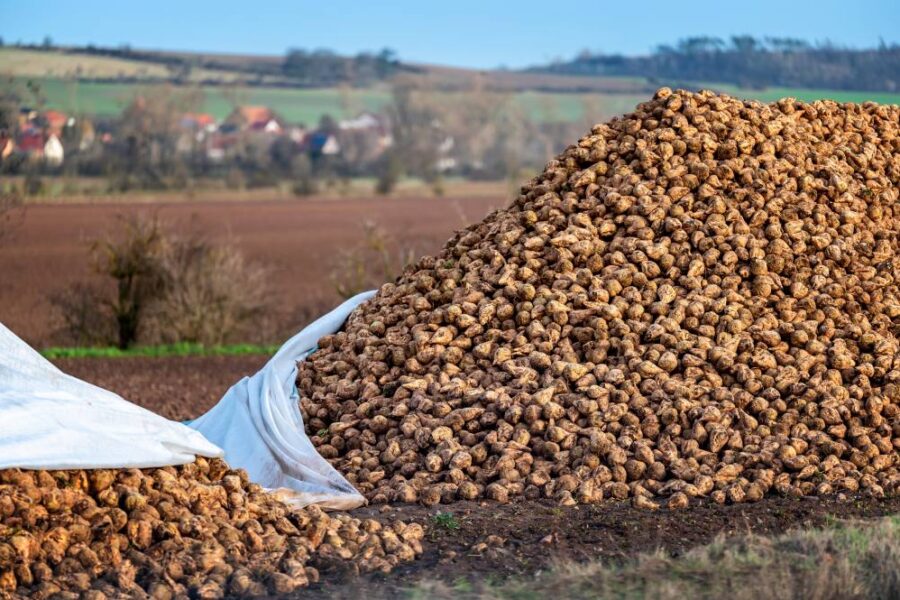
Every autumn, sugar factories across Europe process the sugar beet harvest into sugar. In other parts of the world, sugarcane goes through a similar process. During processing, sugar is extracted
Every autumn, sugar factories across Europe process the sugar beet harvest into sugar. In other parts of the world, sugarcane goes through a similar process. During processing, sugar is extracted

Microbial control technologies and biocides play a key role in our daily lives, contributing to hygiene and sustainability, but what would happen if they suddenly disappeared? MCEC’s joint video with

Microbial control technologies ensure the quality of leather by protecting it from bacterial and fungal degradation. In the leather industry, microbial control is crucial to maintaining the quality and longevity

Microbial Control in Plastics: the key to safety and durability Plastics, integral to numerous applications, face challenges from microbial growth. Antimicrobials offer a solution, ensuring plastics remain robust hence extending

In hospitals, where patients are at their most vulnerable, a sterile environment is paramount. Disinfectants are used to treat surfaces, equipment, and even the air to ensure a sterile environment.

Your washing machine is full of tiny organisms called microbes, which, if not kept in check, can cause unpleasant odours, transfer of microbes to the laundry and even damage your

Imagine taking your household detergent to clean your house and suddenly mould spores are floating on the surface of the cleaner. Not only a nightmare for the end user, but

Microbial control solutions play a crucial role in several key healthcare applications. From sanitising food containers to prevent foodborne illnesses to disinfecting surfaces in hospitals and public facilities to reduce

Microbes may be invisible, but they are very much a reality. Microbial control solutions can fight off these tiny organisms and are used in many applications, from preventing paints from
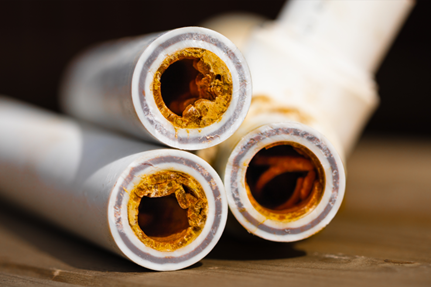
Pipes are used everywhere around us. Over time, long pipes and the high organic load in water result in biofilm build-up. Biofilms consist of colonies of bacteria and other microorganisms

Just as proper hygiene prevents humans from spreading germs and so helps reduce outbreaks of disease, the same principle applies to animals. Infection can be introduced by a single sick

Wooden furniture and timber are present in our homes in everything from window frames and wooden paneling to the very structure of the buildings themselves. Microbial control solutions in the

Microbial control technologies can both stabilise a can of paint before its application and protect the material to which the paint is applied. Surface treatments via paint are especially important

COVID-19 is an infectious disease caused by the SARS-CoV-2 virus. It is commonly referred to as the coronavirus. Technically speaking, coronaviruses are a big family of different viruses, some of

That climate change is affecting the world we live in, is not breaking news. Did you ever consider, however, the effect that environmental changes may have on food- and waterborne

© 2026 microbial-control.com.